Mind Over Matter
The body follows the mind. What lives in an athlete's head shows up in their movement, recovery, confidence, and results.
“It’s easy to go through the motions of technical coaching when we are not diving anymore, but remembering the mental aspect of the sport and supporting an athlete through that can build trust and confidence.”
Sports psychology
The mental game is the real game. Focus, confidence, and composure under pressure aren't gifts. They're trained.
Fear & mental blocks
The voice that says "you can't". The hesitation before the attempt. Learn to move through it, not around it.
Nutrition
Fueling for function. Not trends, not dieting, just what athletes need to perform and rebuild.
Recovery
Learn all about sleep, nervous system regulation, and active recovery protocols.
Injury & rehab
Setbacks are part of the path. Smart returns, maintaining fitness, and the psychology of coming back.
Mobility
Range of motion is a practice, and quality movement depends on it.
I think the most important part for a diving coach is to have the ability to connect with the divers in a way that is meaningful for the athlete. They can learn so much more than just dives. Interpersonal skills, communication and a feeling of self worth from their accomplishments.
Featured Resources
High impact articles and tools coaches consistently return to.

Competitive Diving Psychology
Mental skills that separate confident execution from hesitation.

High School Diving Injury Data
What injury trends actually look like across competitive diving.
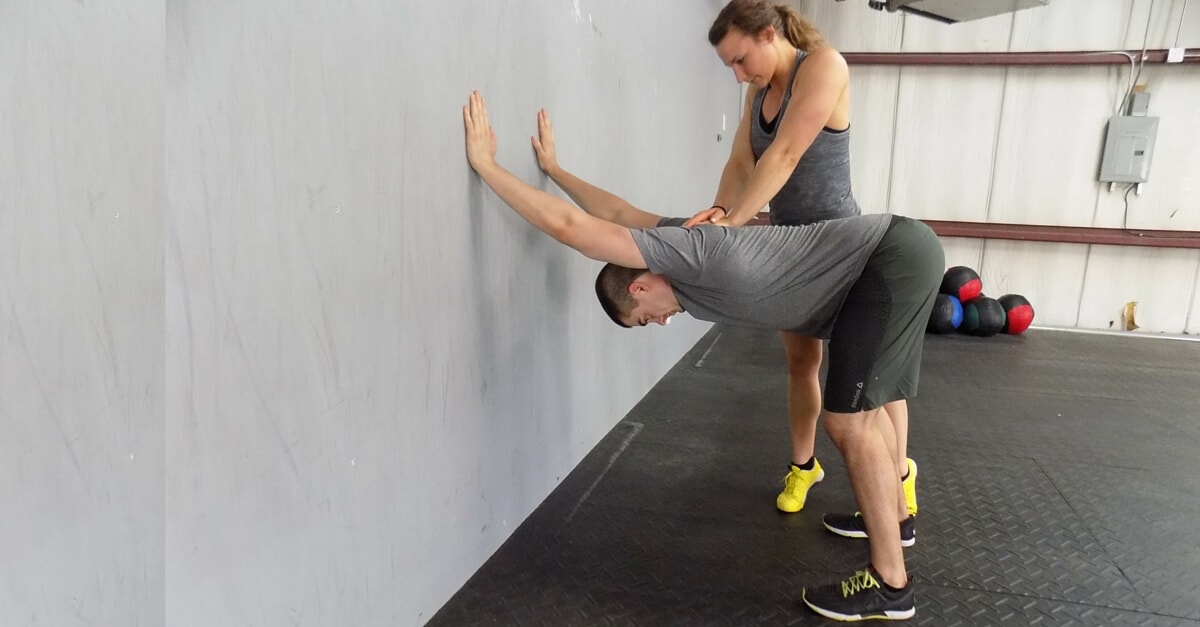
Shoulder Mobility for Athletes
Key restrictions that affect entries and overhead control.


🔒 Most resources are for Gold and Silver members only. Upgrade your membership to access the full library.
Keeping Athletes In It
How do you keep athletes motivated and engaged in training?
“On Fridays for my college kids we do "vegas day" where we roll dice to see how much dryland we have to do. I always take part in it too, so they can see I'm in it with them. Sometimes I do trivia days or "diver jeopardy" with them to mix things up. Depending on where we are in the season (if there's a lull in between meets), I'll pair some of them up and they do a competition with each other, but sometimes they have to do the other ones dives. Just keeping things creative for them to keep them on their toes. For motivation, especially with getting some of the harder dives off, it goes back to communication. I tell them what worked for me, saying "if I don't do this dive I'm not going to Nationals". That worked for me, but it might not work for them, so we just need to figure out mentally what will help them. Once they get comfortable then it's all about numbers.”
“Fun. When I’m having fun coaching, it’s contagious. We work hard to create an environment that’s both supportive and enjoyable.”
“Through communication, planning and mixing things up. When the goals are clear, they see progression, motivation and engagement happen naturally.”
“At the end of the day, I think practice should be fun and light. When everyone is in a good mood, more deliberate work will get done. There are times and places for both fun and seriousness, and finding that balance can allow me/ my athletes to thrive.”
“Divers are different depending on their individual background and experiences. Motivation is a part of that development. I find that many are just excited to learn new things or have the team excited for them when they achieve a goal. Sometimes that goal may be competition oriented, but I try to use small objectives to help them achieve larger goals. I use a point system to allow them to earn team “swag” or small prizes I collect from my travels.”
Performance Resources
Evidence based resources supporting the mental, physical, and recovery demands of competitive diving.
Sports Psychology
Mental skills, fear management, confidence, learning, and competition mindset.
Injuries
Injury trends, mechanisms, prevention, and long term athlete health.
Recovery & Mobility
Mobility, flexibility, warm ups, and recovery strategies.
Nutrition
Fueling strategies for training, recovery, and competition.
Weights & Conditioning
Strength, power, dryland, and training design.